Many homes throughout the Pocono Mountains feature classic brick or stone chimneys — and those masonry systems need periodic attention to hold up against the weather. Pocono Chimney provides masonry and stone chimney repair for homeowners throughout Pocono Pines and the surrounding area.
Masonry deterioration usually shows up gradually: mortar joints wear down, bricks or stones loosen, and small cracks develop that can let water into the structure. Our masonry repair work addresses these issues directly, from repointing mortar joints to repairing or resetting damaged stone or brick. One example from our own customer experience: a stone chimney repair in Pocono Lake, where we repaired a hole in the stone chimney of a recently purchased home, restoring both its appearance and function.
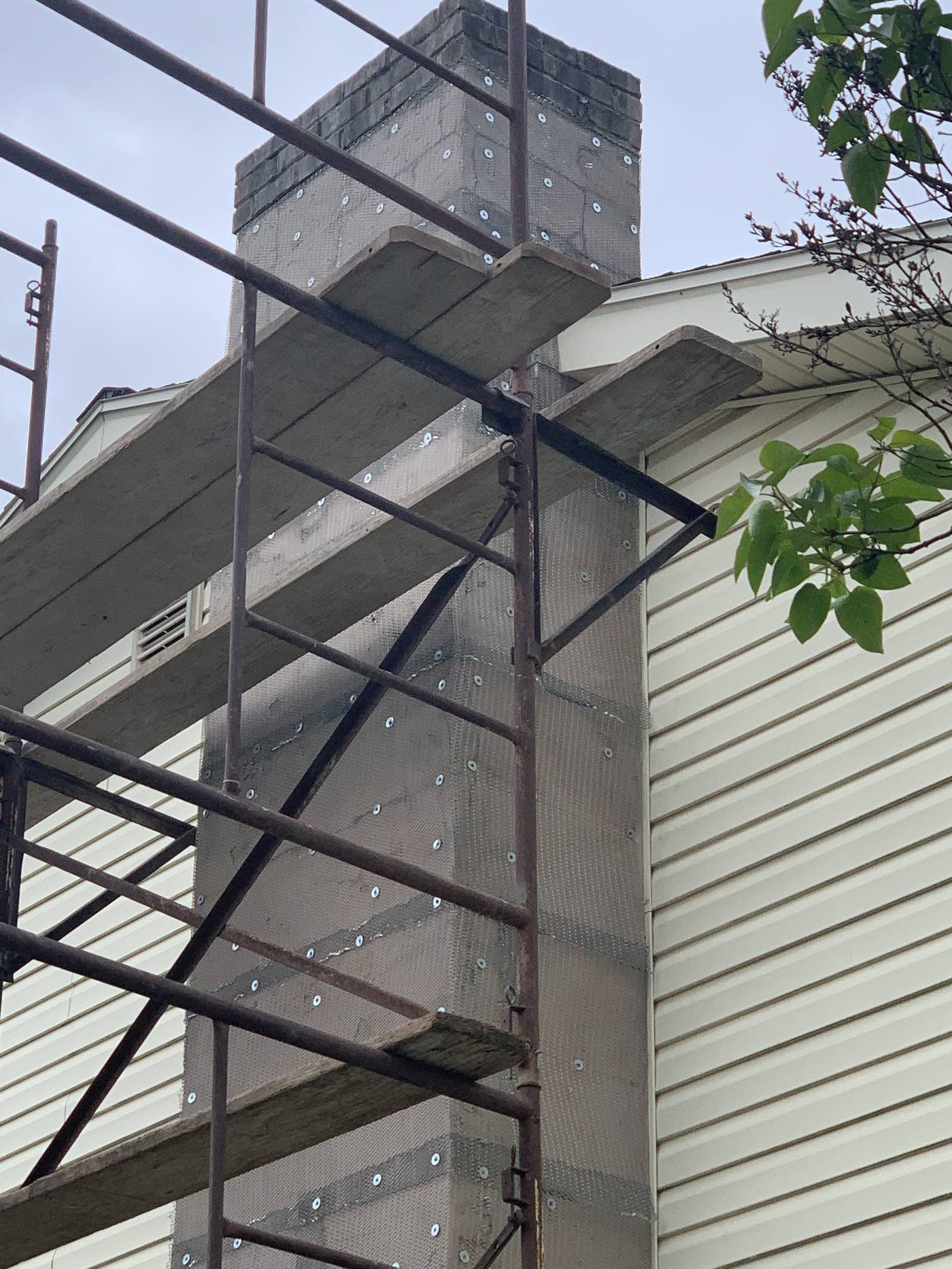
 Pocono Chimney
Masonry is especially vulnerable to the Pocono Mountain freeze-thaw cycle. Moisture that gets into mortar joints or porous stone freezes and expands overnight, then thaws the next day — over years, that repeated cycle is one of the leading causes of masonry deterioration on local chimneys.
Understanding of Pocono Mountain homes and the regional weather conditions that affect them.
Use of modern tools and technology for chimney sweeping, inspection and repair work.
Familiarity with local codes and regulations related to chimney work in the Pocono area.
Straightforward, attentive local service from a company that answers your questions directly.
Pocono Chimney provides masonry & stone chimney repair throughout Pocono Pines and surrounding Pocono Mountain communities, generally within approximately 15 miles of Pocono Pines.
Don’t see your town? Contact us to confirm service availability.
Tuckpointing is the process of removing deteriorated mortar from between bricks or stones and replacing it with fresh mortar, restoring both the structural integrity and appearance of the masonry.
Many stone chimney repairs can be addressed directly without a full rebuild — we evaluate the extent of the damage first to recommend the right approach.
It varies by chimney age, construction, and exposure, which is part of why routine inspections are useful — they help catch masonry wear before it becomes a larger repair.